United Kingdom · essay
Interior Design & Materiality in Hospitality and Leisure Spaces
Guide to hospitality interior design and leisure architecture covering materiality, spatial aesthetics, layout strategy, finishes, acoustics and high-end textures.
Why materiality matters in hospitality interior design
Material choices shape how people feel, move and stay in a space. In hospitality interior design and leisure venue architecture, materiality is not just about looks — it’s about durability, comfort, acoustics and the story your venue tells. Guests judge a hotel lobby, bar or leisure centre within seconds. The textures, colours and finishes communicate quality and influence behaviour: a warm timber bench invites lingering, a hard, noisy floor pushes people through. Thoughtful material selection balances aesthetics, performance and maintenance, helping venues stay welcoming and profitable over time.
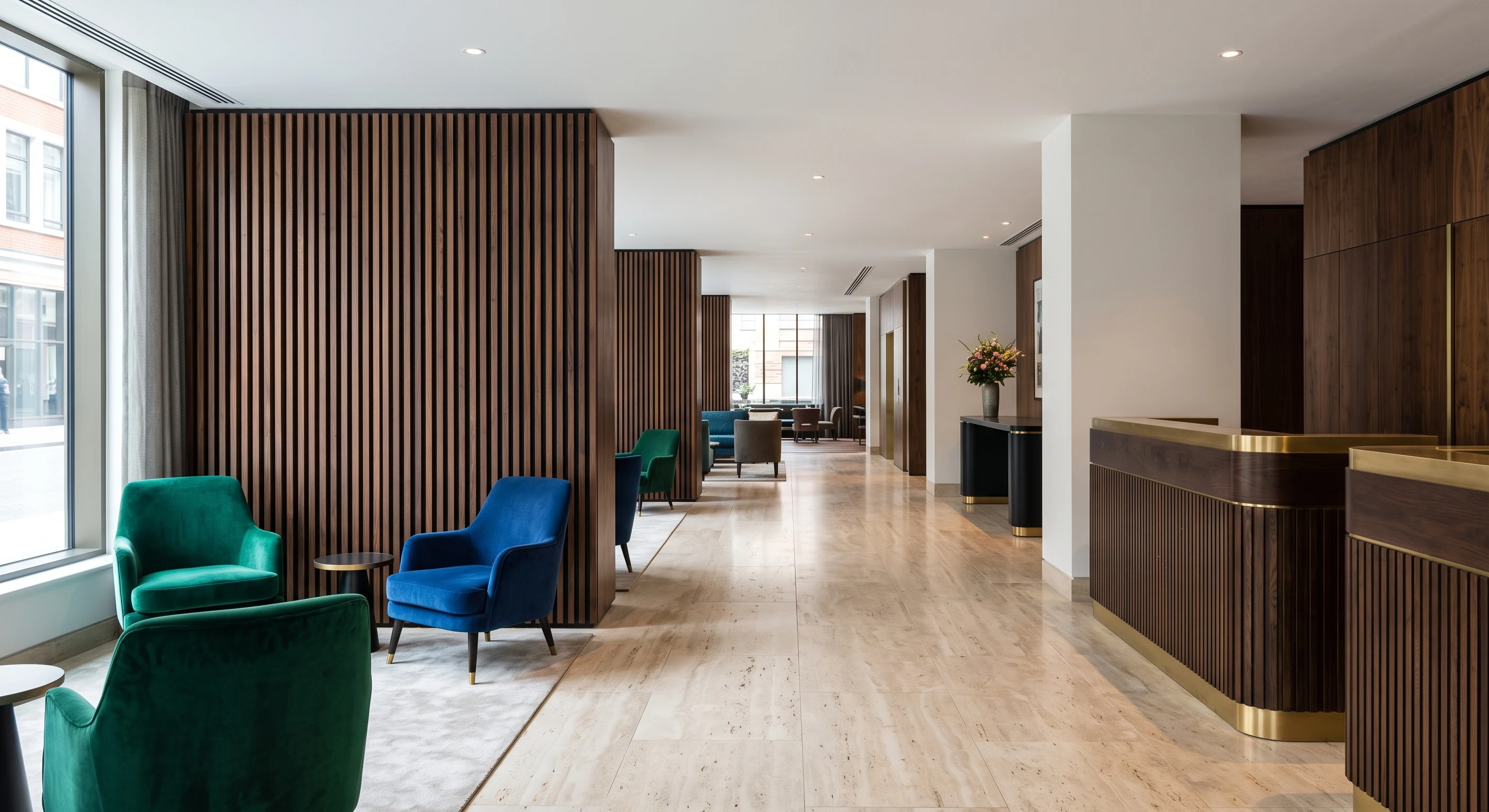
Principles of commercial spatial aesthetics
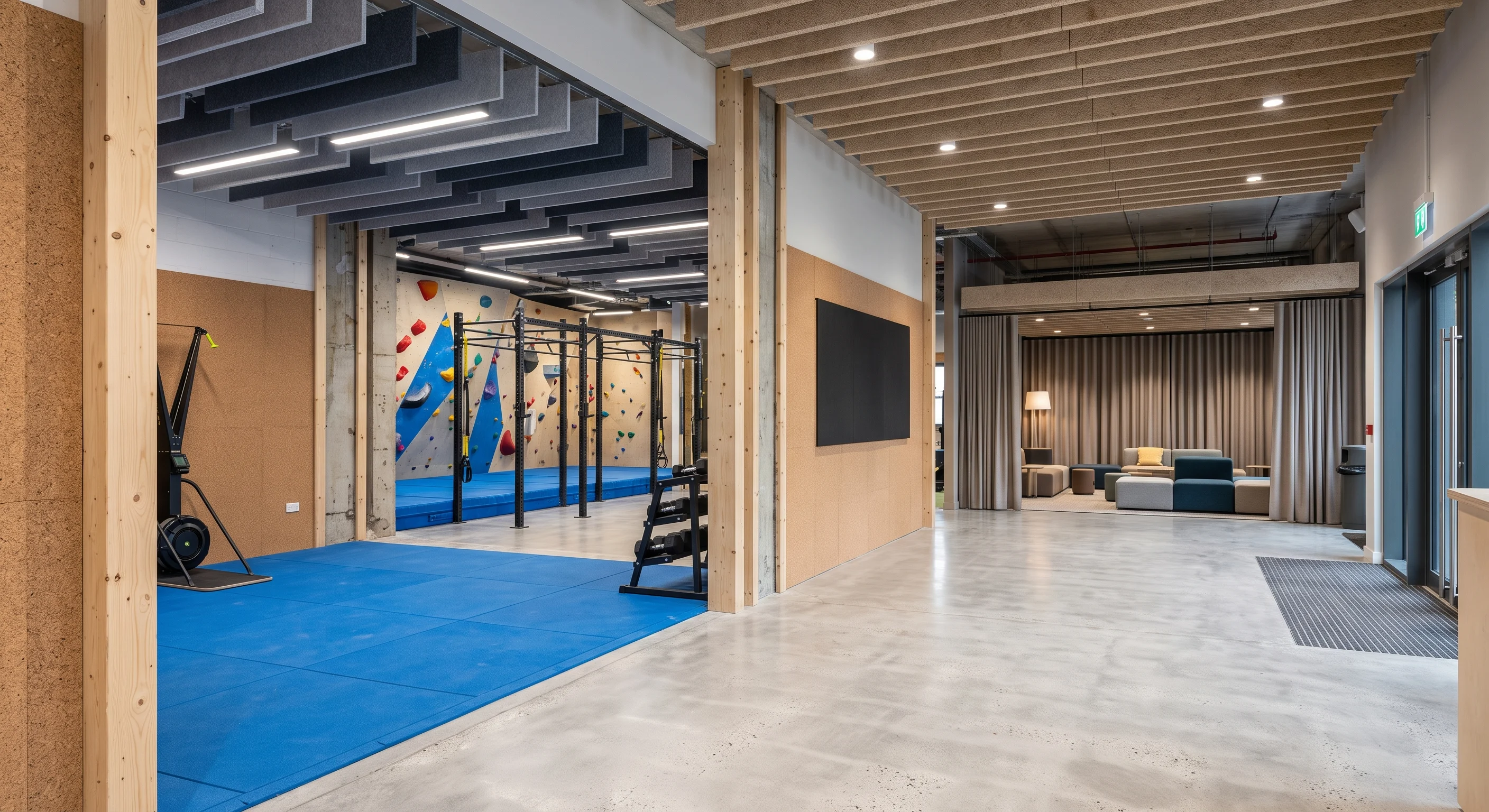
Commercial spatial aesthetics is the practice of arranging visual and physical elements so a space feels coherent and fit for purpose. Start with a clear concept that suits your market — relaxed coastal, contemporary urban, family-friendly or ultra-luxury. From that concept, define a palette of materials and colours that reinforce identity. Pay attention to scale and rhythm: large-scale tiles might suit a lobby, while smaller patterns work for intimate seating areas. Lighting design, furniture scale and circulation paths all affect perception. Simple, consistent choices reduce visual clutter and make a space feel better organised.
Designing an effective venue layout strategy
A strong venue layout strategy is the backbone of leisure venue architecture. Layout governs circulation, sightlines and service flow — all crucial for guest experience and staff efficiency. Start with arrival and welcome zones: arrival should feel intuitive, with clear access to reception, waiting areas and main attractions. From there, create layered spaces that move from public to private, or loud to quiet. Break large volumes into zones using changes in floor finish, ceiling treatment or furniture clusters. Consider sightlines for safety and atmosphere; guests should be able to orient themselves naturally. Finally, coordinate back-of-house routes so staff can work without crossing guest spaces unnecessarily.
Choosing interior finishes: durability meets design
Acoustic spatial architecture: making venues sound as good as they look
Acoustics are often overlooked but essential in hospitality. Acoustic spatial architecture looks at how sound travels and how surfaces absorb or reflect it. Hard, flat surfaces like glass or stone reflect sound and create noisy spaces; soft, porous materials dampen sound. Use acoustic ceilings, upholstered seating, wall absorbers and heavy draperies strategically. In restaurants and bars, aim for a background level where conversation feels private but not isolated. In multipurpose leisure venues, design flexible acoustic solutions—movable panels, curtains or modular ceiling baffles—that let you tune the space for events, sports or live music.
Luxury interior materiality and high-end interior textures
Luxury interior materiality is about layered textures and subtle detailing. High-end interior textures such as natural stone, hand-finished metals, leather and tactile fabrics convey quality. But luxury is also about restraint: the right material in the right place, not a clutter of expensive finishes. Pair tactile surfaces with quality joinery, tight tolerances and thoughtful lighting that reveals surface richness. Look beyond pure appearance: a leather armchair that feels warm to the touch, a stone reception top that ages gracefully, or a metal trim that patinates with character all add to perceived value. For sustainable luxury, consider responsibly sourced timber, recycled metals and long-wearing fabrics that marry ethics with elegance.
Practical considerations: maintenance, safety and lifecycle
Decisions about materiality must include maintenance and safety. Hospitality venues see constant turnover, so finishes should be easy to clean, resistant to staining and suitable for commercial cleaning products. Fire safety standards in the UK affect upholstery, curtains and wall finishes — always verify and choose certified materials. Think through replacement cycles: choose materials that can be repaired or reupholstered rather than fully replaced. Lifecycle planning reduces long-term costs and environmental impact, and also protects your brand image by keeping the venue looking fresh for longer.
Lighting, colour and texture: a combined approach
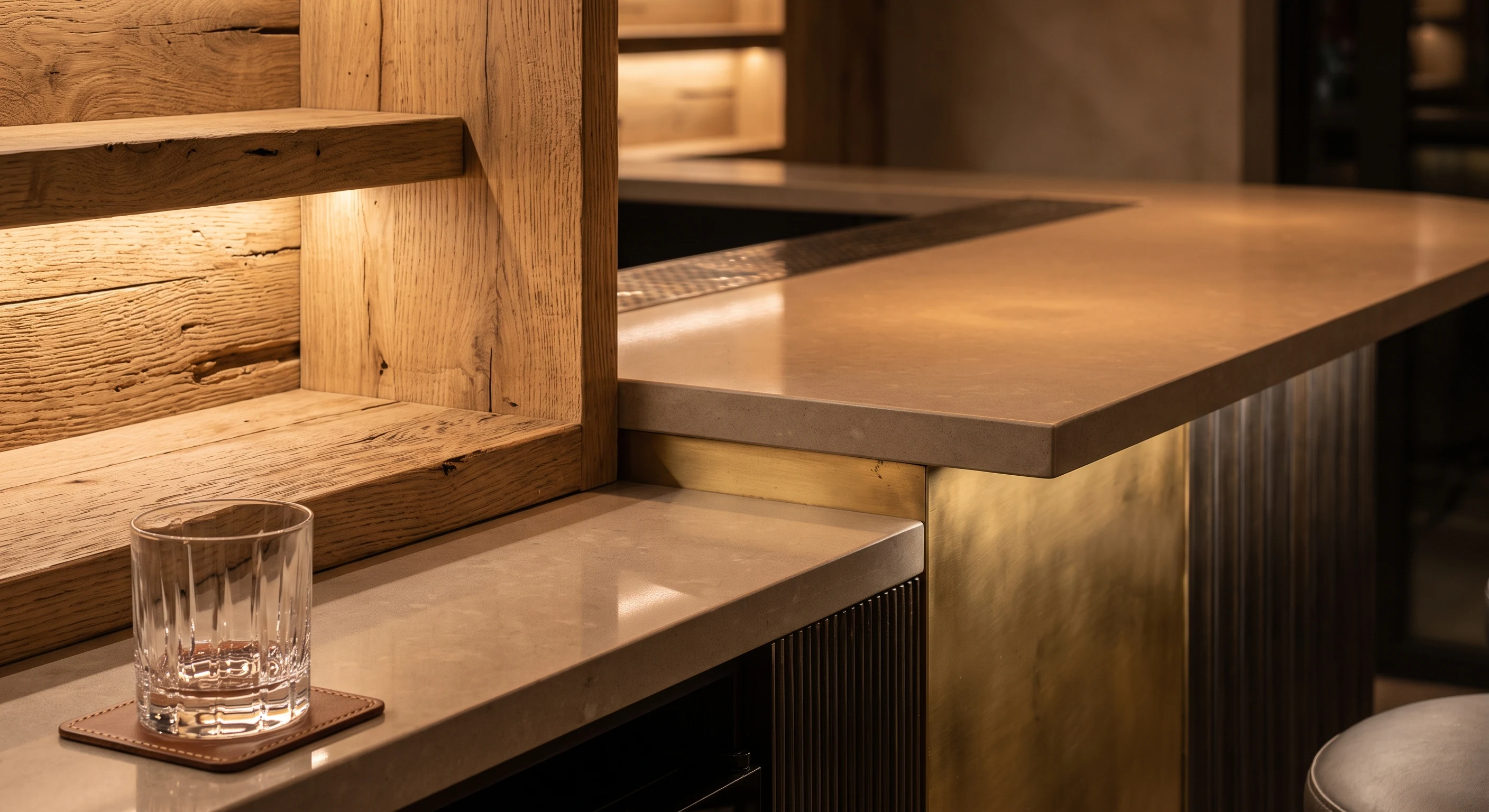
Lighting binds material choices together. Colour and texture look different under warm, dim lighting than under bright daylight. Create layered lighting plans with ambient, task and accent lights to bring out materials’ best qualities. Use warmer light temperatures in relaxation zones to make fabrics and timber feel cosy; use cool, bright light in functional areas for clarity. Contrast matte and glossy textures to add depth — a satin plaster wall next to a polished brass fixture reads richer than a uniformly flat finish. Test samples on-site at different times of day before committing to a wide rollout.
Integrating sustainability with commercial spatial aesthetics
Bringing it all together: the design and delivery process
Successful hospitality interior design projects balance creative intent with technical reality. Start with a clear brief that captures guest profiles, operational needs and desired brand expression. Use mood boards and physical samples to test combinations of finishes, textures and lighting. Early collaboration between designers, acousticians, structural engineers and facilities managers prevents costly changes later. On-site mock-ups for key areas such as bars, suites or wellness zones allow stakeholders to experience scale and materiality before the full build. During construction, maintain quality control and keep maintenance teams informed so handover is seamless.
Reading notes
Main routes want porcelain or stone that can take the traffic. Seating can take a softer floor that quietens the room. Wet zones need a slip-resistant surface. A cheap finish that is replaced often costs more across the life of the venue.
Glass and stone bounce sound. Upholstery, drapery, acoustic ceilings and baffles take it down. A bar should allow conversation without isolating every table. Movable panels let one room serve dinner, sport or live music.
Stone, hand-finished metal, leather and cloth read as quality when they are placed with restraint. Certified timber, recycled metal and long-wearing cloth can sit in that same palette. Fire ratings for upholstery and curtains still have to be checked in the UK.
FAQ
How do I choose materials that won’t date quickly in a hospitality setting?
Choose classic base materials like neutral timbers, stone, and quality metals for permanency, then introduce trend-driven elements through replaceable items such as cushions, artwork and soft furnishings. Prioritise durability and ease of refreshing when planning surfaces.
What are the best ways to control noise in a busy bar or restaurant?
Combine absorptive materials (carpet, upholstered seating, acoustic panels) with diffusive surfaces to break up sound. Lower ceilings in seating areas, add baffles, and use soft furnishings and curtains where possible. Position loud equipment and service areas away from dining zones.
Can luxury materials be sustainable?
Yes. High-quality, long-lasting materials are inherently sustainable because they need replacing less often. Look for certified timber, low-impact stone, recycled metals and responsibly made textiles. Ethical sourcing and lifecycle thinking are key.
How do I balance aesthetics with hygiene and safety requirements?
Select materials that meet regulatory standards (fire ratings, slip resistance) and are compatible with commercial cleaning. Use antimicrobial finishes where appropriate, but remember that design details should also allow thorough cleaning without damaging surfaces.
What role does lighting play in showing off materials?
Lighting reveals texture, depth and colour. Warm, angled accent lighting highlights natural materials; diffuse ambient light evens out surfaces. Test lighting alongside material samples at different times to ensure the intended look is achieved.
How should I approach material budgets for a large leisure venue?
Allocate budget by hierarchy: invest in durable, high-impact finishes where guests spend most time or where wear is highest (lobbies, main corridors, bar counters). Use cost-effective, well-designed materials in secondary areas, and plan for phased upgrades to spread costs.
This journal
Tracikelly publishes the essay. The text is a reading of spatial practice in the United Kingdom. It is not a commission, a specification, or a claim made for a named studio.